ARCHE
누구도 닿을 수 없는 땅끝의 프로토콜 : NO MAN'S SHORE PROTOCOLE
2018.09.13 - 10.14
opening reception : 2018.09.13 5PM -
VIEW
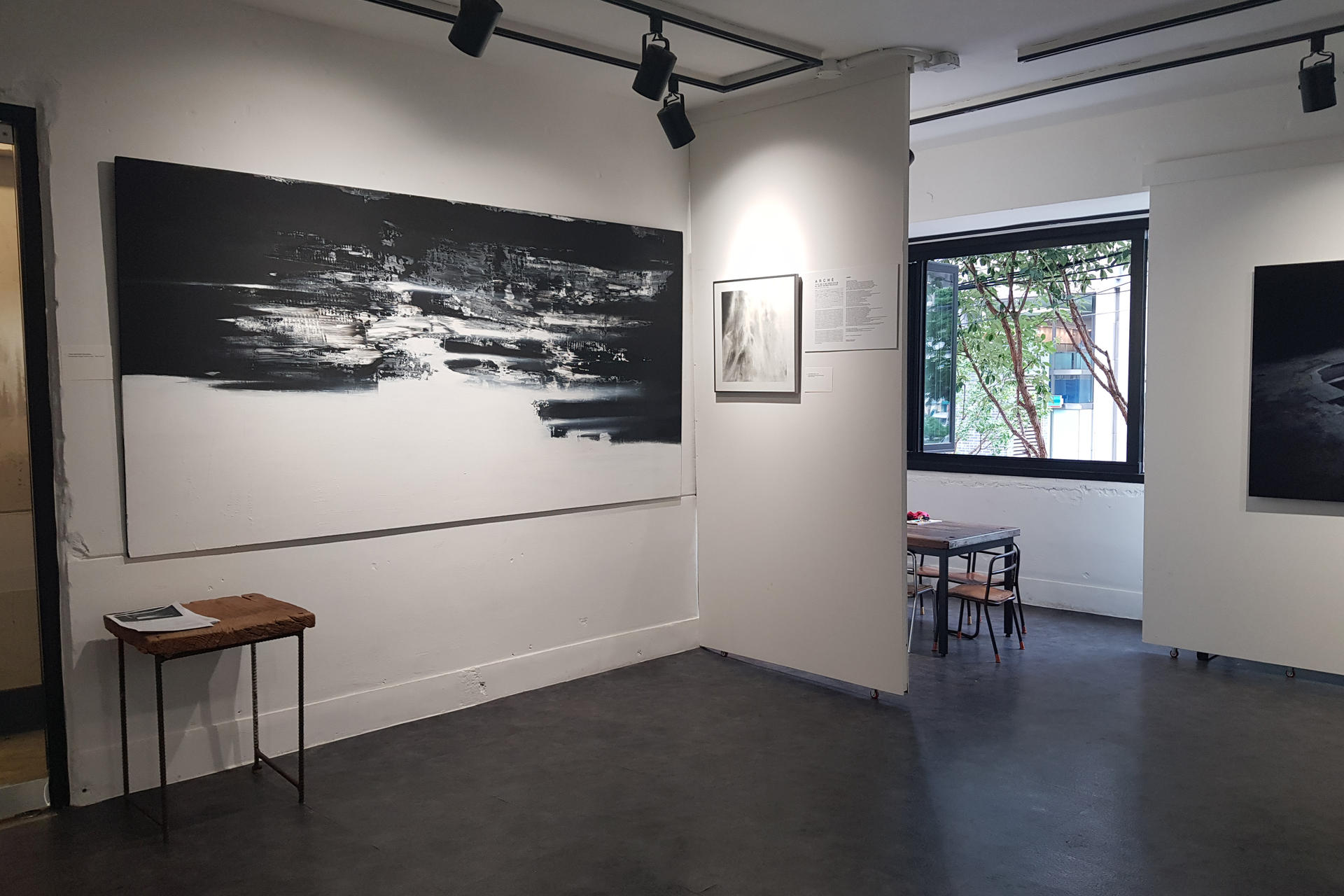
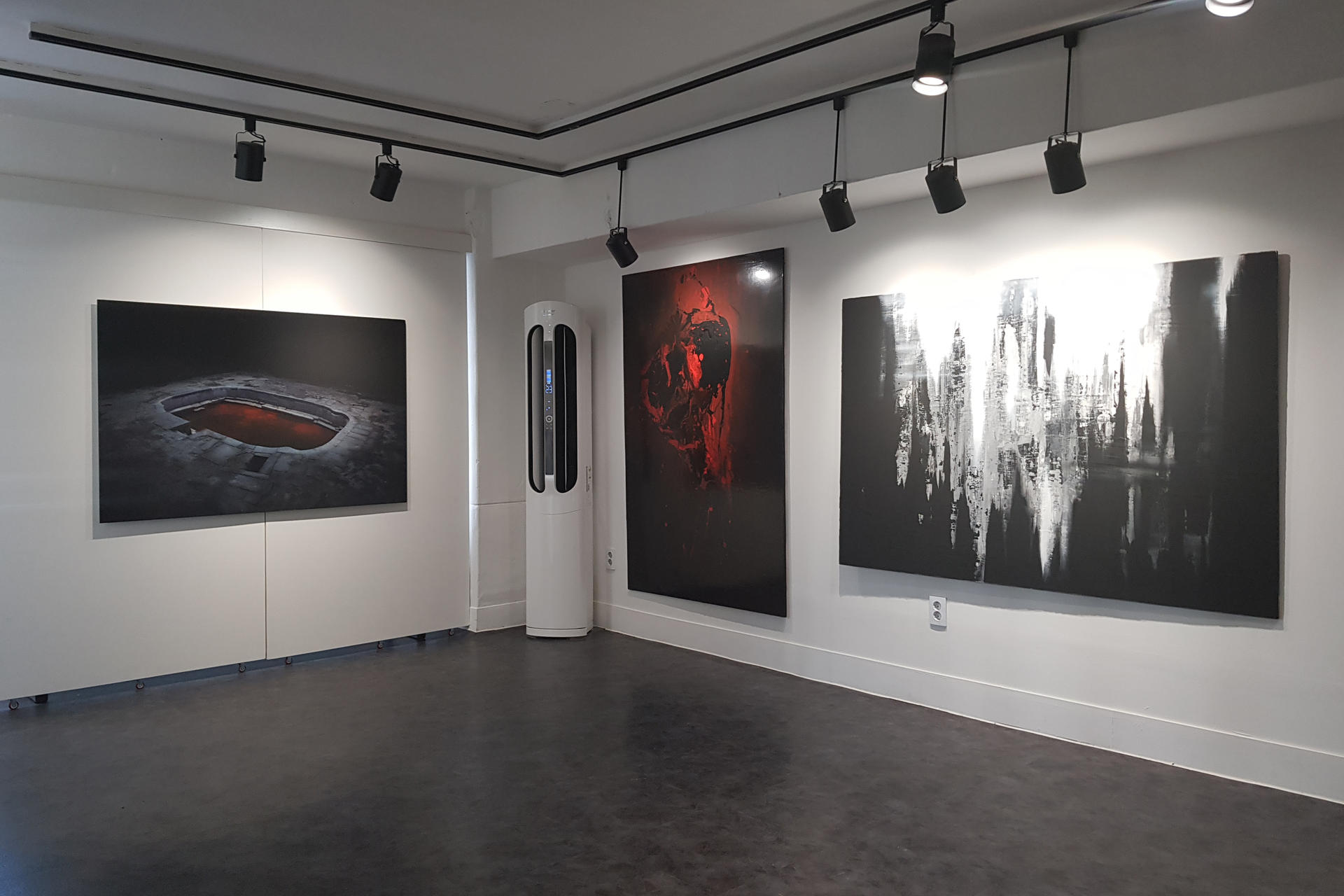
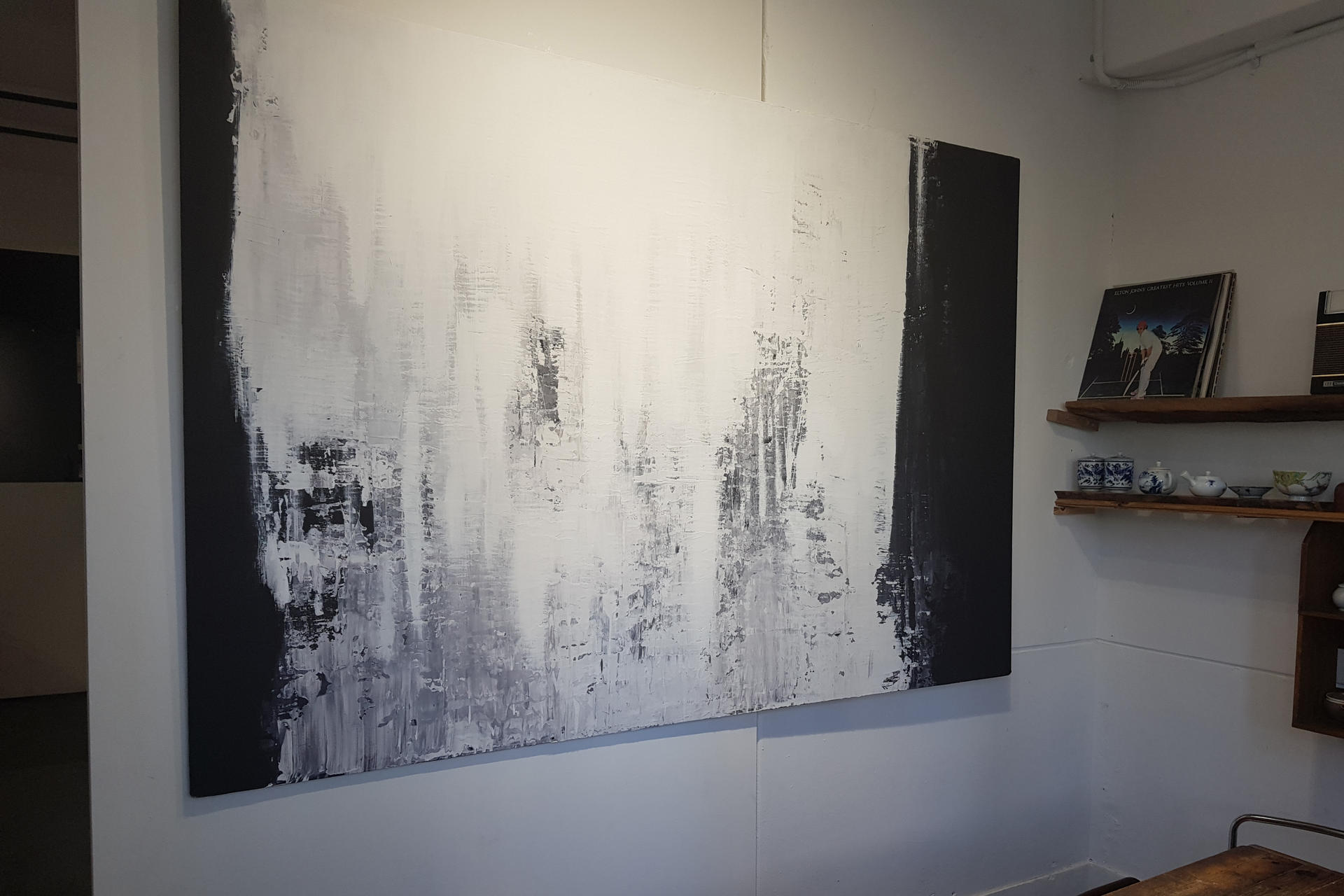
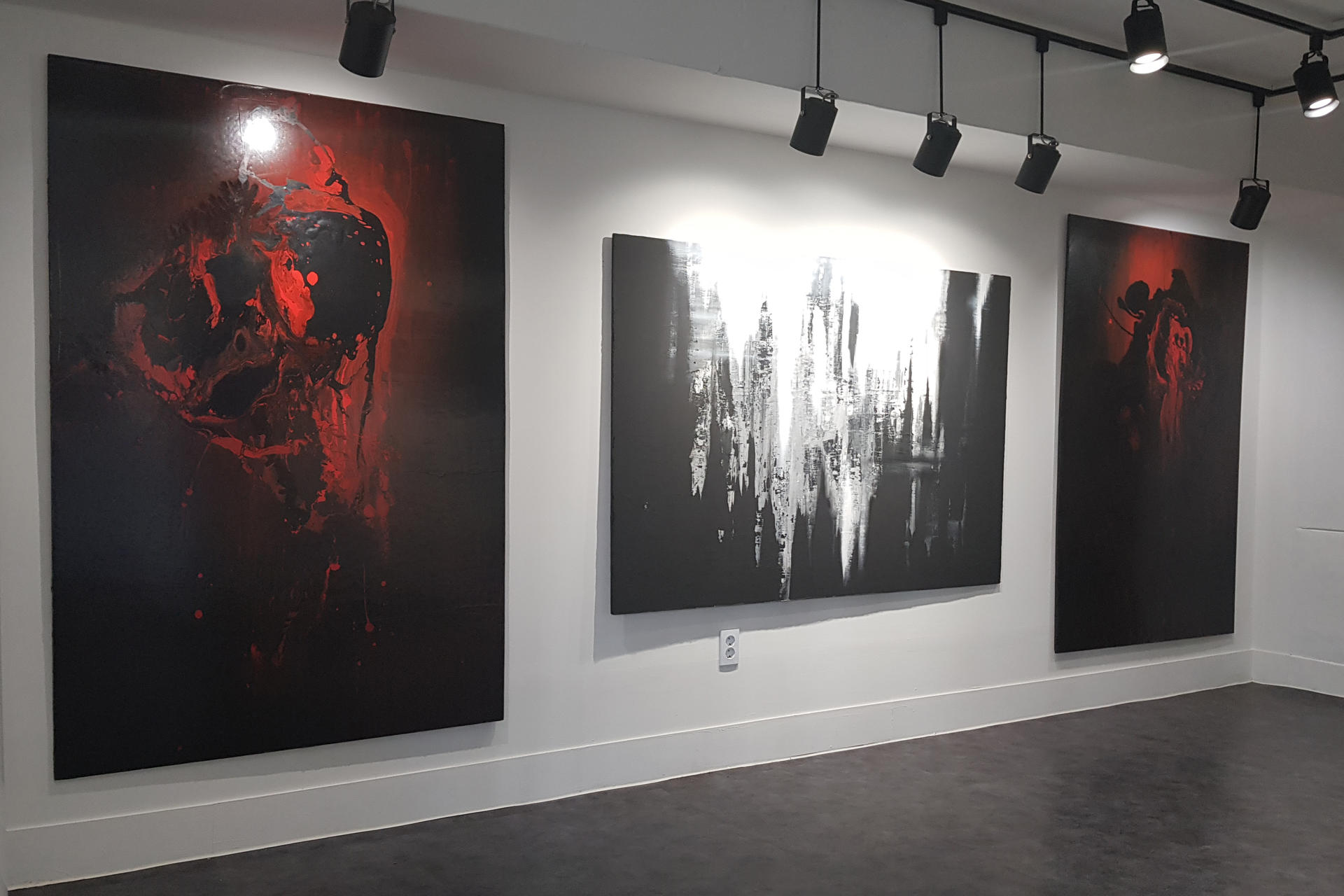
예술이 모든 것인 이후로 예술은 아무것도 아니게 되었다. 오늘날의 예술은 아무거나가 되어서 더 이상 존재하지 않는다. 지금은 모호한 시간이다. 아무것도 아닌 것이 모든 것이다. 그리고 모든 것은 기록되고 합성되기 전까지는 아무것도 아니다. 기록되고 합성된 이후에 진짜가 된다. 진짜인 것은 기록된 것이다. 그리고 기록되지 않은 것은 존재하지 않는다. 진실이 시뮬레이션 되고 그 비슷한 것을 하는 그 순간 현대가 시작되었다. 그리고 우리는 더 이상 기록되지 않는 한 진실인지 알아볼 수 없다. 우리의 눈으로 분명한 것만이 진실이라는 것은 아니다. 그것은 기록되어야 하고 커뮤니티에 의해 인정되어야 한다. 지금은 이데올로기의 시간이다. 아이디어는 진실보다 강하다. 시뮬레이션과 가상 이벤트로 대체되는 진실의 파괴적인 과정이다. 이것이 귄터 안더스(GÜNTHER ANDERS) 가 "Dark Age"라고 불렀던 이유이다. :
*
지구는 무한하지 않기에 더 이상 참신함에 초점을 맞출 때가 아니다. 우리는 교체가 필요한 것보다는 시간이 흘러도 지속될 수 있는 것에 집중해야 한다. 무엇이 진짜이고 분명한지에 따라 진실을 정확하게 표현하는 것 만이 우리가 주목해야 할 유일한 것이다.
이러한 생각을 통해 작가는 ‘누구도 닿을 수 없는 땅끝’(NO MAN’S SHORES)이라는 개념에 도달했다. 리처드 롱(Richard Long), 리처드 세라(Richard Serra)와 요셉 보이스(Joseph Beuys)의 “Soziale Plastik’이라는 개념의 유산으로부터, ARCHE는 예술적인 과정을 넘어 인류 문명의 예술이 될 수 있는 것을 정의하려고 노력한다.
이것이 바로 ‘누구도 닿을 수 없는 땅끝의 프로토콜’이다.
ARCHE는 ‘누구도 닿을 수 없는 땅끝의 프로토콜’에서 3가지 다른 미디어를 사용한다. : 그림, 풍경 및 음향이 합쳐진 설치. ARCHE는 의식을 “Noosphere”으로 이끄는 명상적인 여행으로 누구도 닿을 수 없는 땅끝의 연구를 구축한다. : 블라디미르 베르나츠키(Vladimir Vernadsky)와 피에르 테야르 드 샤르댕(Pierre Teilhard de Chardin)에 따르면, "인간의 사고 범위(sphere of human thoughts)”를 일컫는다. “Noosphere”는 νοῦς (noüs, "정신") 그리고 « σφαῖρα (sphaira, "영역")에서 "atmosphere "과 " biosphere "의 단어의 유사성에 의해 파생되었다. 이 차원은 넘쳐나는 명상가로 인해 혼란스러울 수 있다. 이곳은 ‘누구도 닿을 수 없는 땅끝(NO MAN’S SHORES)’이다. 국경, 분류할 수 없는 지역이다. 그곳은 우리의 미래가 발견될 수 있는 이상적인 세계이며, 이후에는 그곳이 원천이다. 그곳은 과거와 현재 그리고 미래의 진실의 조각이 합쳐진 기억의 이유이다. 인간이나 동물은 외부 공간의 차원에서 오는 익숙해진 "Noosphere"을 언제 어디에서나 느낄 수 있다. 이것은 가끔은 두려움, 폭력, 분노, 슬픔, 기쁨 그리고 어떤 인간의 감정 또는 공포로 나타난다. 이 샘은 세상 현상의 근원이다. 우리는 그것을 따라가다 보면, 우리가 누구인지, 그리고 우리가 왜 그런지 다시 깨닫는다. 이 세계의 경계는 우리 문명의 본질을 보여준다. 이 땅끝을 지나가는 것은 진실을 마주하고 우리의 진실된 존재에 마주하는 것이다.
*
“And what’s valid in regard to conceptualization also applies as much for our ability of perception: at the point where the effects of our work or our activity grow beyond a certain magnitude or go beyond a certain degree of mediation, they appear shrouded in obscurity to us. The more complex the apparatus we are immersed in and the greater its repercussions, the less of a vision we have of them and the more entangled becomes the possibility of our ever understanding the processes we are part of, or really grasping what is at stake in them. To put it another way: despite the fact that it is the work of human beings, and despite the fact that it only continues to function because of all of us, our world, withdrawing both from our ability to conceptualize it or even to perceive it, is becoming ever more obfuscated. So obfuscated that we are not even capable of recognizing its obfuscation; so dark and blurred that we might legitimately call our era a “dark age.” We must definitively give up the ingenuous, optimistic 19th century hope that the ”enlightenment” of human beings would come about in parallel with the development of technology. Anyone who is still satisfied to keep up such hope is not just a superstitious relic of yesteryear, but a victim of the groups currently in power, those dark men of the technological era, in whose greatest interest it is to keep us all in the dark about the reality of the obfuscation of our world, or in other words to constantly produce that obfuscation.”
GÜNTHER ANDERS "We, Sons of Eichmann: An Open Letter to Klaus Eichmann" (1964).


ARCHE
누구도 닿을 수 없는 땅끝의 프로토콜 : NO MAN'S SHORE PROTOCOLE
2018.09.13 - 10.14
opening reception : 2018.09.13 5PM -
VIEW
예술이 모든 것인 이후로 예술은 아무것도 아니게 되었다. 오늘날의 예술은 아무거나가 되어서 더 이상 존재하지 않는다. 지금은 모호한 시간이다. 아무것도 아닌 것이 모든 것이다. 그리고 모든 것은 기록되고 합성되기 전까지는 아무것도 아니다. 기록되고 합성된 이후에 진짜가 된다. 진짜인 것은 기록된 것이다. 그리고 기록되지 않은 것은 존재하지 않는다. 진실이 시뮬레이션 되고 그 비슷한 것을 하는 그 순간 현대가 시작되었다. 그리고 우리는 더 이상 기록되지 않는 한 진실인지 알아볼 수 없다. 우리의 눈으로 분명한 것만이 진실이라는 것은 아니다. 그것은 기록되어야 하고 커뮤니티에 의해 인정되어야 한다. 지금은 이데올로기의 시간이다. 아이디어는 진실보다 강하다. 시뮬레이션과 가상 이벤트로 대체되는 진실의 파괴적인 과정이다. 이것이 귄터 안더스(GÜNTHER ANDERS) 가 "Dark Age"라고 불렀던 이유이다. :
*
지구는 무한하지 않기에 더 이상 참신함에 초점을 맞출 때가 아니다. 우리는 교체가 필요한 것보다는 시간이 흘러도 지속될 수 있는 것에 집중해야 한다. 무엇이 진짜이고 분명한지에 따라 진실을 정확하게 표현하는 것 만이 우리가 주목해야 할 유일한 것이다.
이러한 생각을 통해 작가는 ‘누구도 닿을 수 없는 땅끝’(NO MAN’S SHORES)이라는 개념에 도달했다. 리처드 롱(Richard Long), 리처드 세라(Richard Serra)와 요셉 보이스(Joseph Beuys)의 “Soziale Plastik’이라는 개념의 유산으로부터, ARCHE는 예술적인 과정을 넘어 인류 문명의 예술이 될 수 있는 것을 정의하려고 노력한다.
이것이 바로 ‘누구도 닿을 수 없는 땅끝의 프로토콜’이다.
ARCHE는 ‘누구도 닿을 수 없는 땅끝의 프로토콜’에서 3가지 다른 미디어를 사용한다. : 그림, 풍경 및 음향이 합쳐진 설치. ARCHE는 의식을 “Noosphere”으로 이끄는 명상적인 여행으로 누구도 닿을 수 없는 땅끝의 연구를 구축한다. : 블라디미르 베르나츠키(Vladimir Vernadsky)와 피에르 테야르 드 샤르댕(Pierre Teilhard de Chardin)에 따르면, "인간의 사고 범위(sphere of human thoughts)”를 일컫는다. “Noosphere”는 νοῦς (noüs, "정신") 그리고 « σφαῖρα (sphaira, "영역")에서 "atmosphere "과 " biosphere "의 단어의 유사성에 의해 파생되었다. 이 차원은 넘쳐나는 명상가로 인해 혼란스러울 수 있다. 이곳은 ‘누구도 닿을 수 없는 땅끝(NO MAN’S SHORES)’이다. 국경, 분류할 수 없는 지역이다. 그곳은 우리의 미래가 발견될 수 있는 이상적인 세계이며, 이후에는 그곳이 원천이다. 그곳은 과거와 현재 그리고 미래의 진실의 조각이 합쳐진 기억의 이유이다. 인간이나 동물은 외부 공간의 차원에서 오는 익숙해진 "Noosphere"을 언제 어디에서나 느낄 수 있다. 이것은 가끔은 두려움, 폭력, 분노, 슬픔, 기쁨 그리고 어떤 인간의 감정 또는 공포로 나타난다. 이 샘은 세상 현상의 근원이다. 우리는 그것을 따라가다 보면, 우리가 누구인지, 그리고 우리가 왜 그런지 다시 깨닫는다. 이 세계의 경계는 우리 문명의 본질을 보여준다. 이 땅끝을 지나가는 것은 진실을 마주하고 우리의 진실된 존재에 마주하는 것이다.
*
“And what’s valid in regard to conceptualization also applies as much for our ability of perception: at the point where the effects of our work or our activity grow beyond a certain magnitude or go beyond a certain degree of mediation, they appear shrouded in obscurity to us. The more complex the apparatus we are immersed in and the greater its repercussions, the less of a vision we have of them and the more entangled becomes the possibility of our ever understanding the processes we are part of, or really grasping what is at stake in them. To put it another way: despite the fact that it is the work of human beings, and despite the fact that it only continues to function because of all of us, our world, withdrawing both from our ability to conceptualize it or even to perceive it, is becoming ever more obfuscated. So obfuscated that we are not even capable of recognizing its obfuscation; so dark and blurred that we might legitimately call our era a “dark age.” We must definitively give up the ingenuous, optimistic 19th century hope that the ”enlightenment” of human beings would come about in parallel with the development of technology. Anyone who is still satisfied to keep up such hope is not just a superstitious relic of yesteryear, but a victim of the groups currently in power, those dark men of the technological era, in whose greatest interest it is to keep us all in the dark about the reality of the obfuscation of our world, or in other words to constantly produce that obfuscation.”
GÜNTHER ANDERS "We, Sons of Eichmann: An Open Letter to Klaus Eichmann" (1964).